
Magnesium Glycinate vs. Citrate: Which One Should You Take?

Magnesium Glycinate vs. Citrate: Which One Should You Take?
Magnesium is one of the most common supplements Canadians reach for — and one of the most confusing to shop for. Walk down any vitamin aisle and you'll find half a dozen forms: glycinate, citrate, oxide, malate, threonate. The form you choose matters more than most people realize, because it changes how well your body absorbs it and what side effects you're likely to notice.
Here's a straightforward look at the two most popular forms, glycinate and citrate, so you can pick the one that actually fits what you're taking it for.
Why Magnesium Matters
Magnesium is involved in over 300 enzymatic reactions in the body, including muscle relaxation, nerve function, blood sugar regulation, and energy production. Despite how essential it is, magnesium deficiency is common — modern diets, high stress, and certain medications can all deplete levels over time. Low magnesium has been linked to muscle cramps, poor sleep, fatigue, and heightened anxiety.
Magnesium Glycinate
Magnesium glycinate is magnesium bound to glycine, an amino acid known for its own calming properties. This combination makes glycinate one of the gentlest forms on the digestive system — it's far less likely to cause the loose stools associated with other forms.
Best for:
- Sleep support and relaxation
- Muscle cramps and tension
- Anxiety or stress-related tension
- Anyone with a sensitive stomach
Because it's gentle and well-absorbed, glycinate is often the first choice for people taking magnesium daily as a long-term wellness habit rather than for a specific short-term issue.
Magnesium Citrate
Magnesium citrate is magnesium bound to citric acid. It has a mild laxative effect, which is a feature rather than a flaw for a specific use case: occasional constipation relief. It's also generally well-absorbed, though not quite as gentle on digestion as glycinate.
Best for:
- Occasional constipation
- General magnesium supplementation when digestive tolerance isn't a concern
- Situations calling for a faster-acting option
Quick Comparison
| Magnesium Glycinate | Magnesium Citrate | |
|---|---|---|
| Absorption | High | High |
| Digestive tolerance | Very gentle | Mild laxative effect |
| Best for | Sleep, stress, cramps | Occasional constipation |
| Typical timing | Evening | Any time |
A Few Things to Keep in Mind
- Speak with your pharmacist or doctor before starting magnesium if you have kidney disease, as impaired kidneys can't clear excess magnesium efficiently.
- Magnesium can interact with certain antibiotics and other medications — space doses a few hours apart if you're on other prescriptions.
- More isn't automatically better. Stick to the dose on the label or what your healthcare provider recommends.
The Bottom Line
If you're supplementing for sleep, stress, or muscle tension, magnesium glycinate is generally the better everyday choice. If you're dealing with occasional constipation, magnesium citrate does double duty. Either way, consistency matters more than which form you pick — magnesium works best as a steady daily habit, not an occasional fix.
Have questions about which magnesium supplement is right for you? Our pharmacy team at Healthy Hub is happy to help — reach out anytime.
You might also like

Probiotics 101: How to Choose the Right Strain (Not Just the Highest CFU Count)
Probiotics 101: How to Choose the Right Strain (Not Just the Highest CFU Count) Walk into any pharmacy...
Read article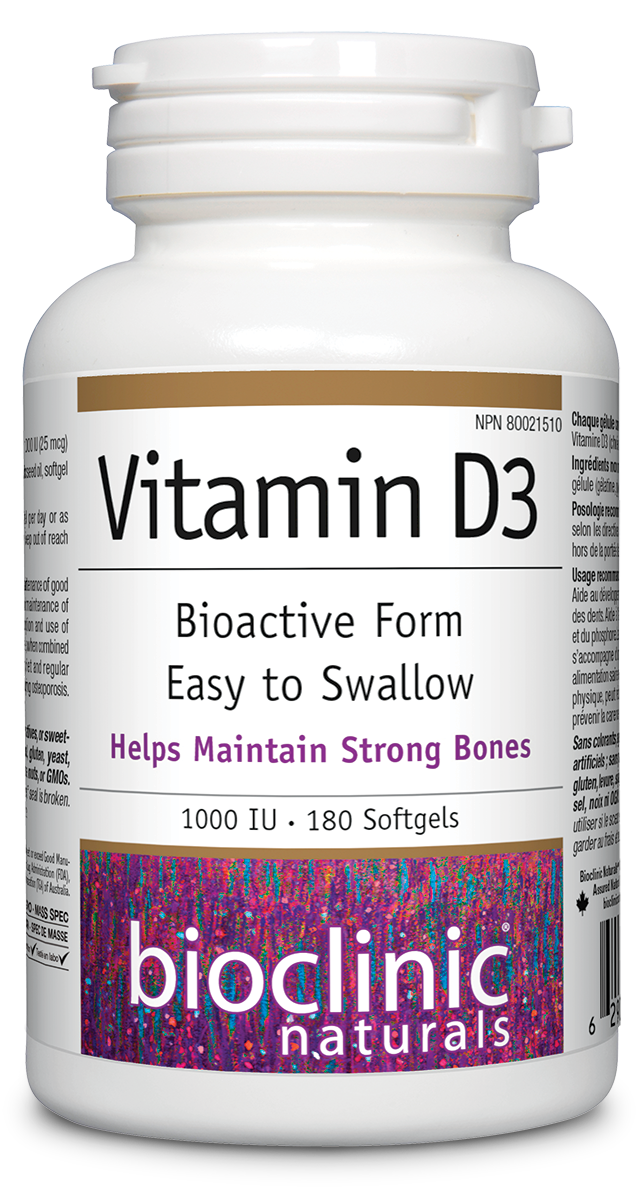
How Much Vitamin D3 Do Canadians Actually Need?
How Much Vitamin D3 Do Canadians Actually Need? If there's one supplement that makes sense for almost everyone...
Read article
Top superfoods for Energy and Immunity
This blog explores powerful superfoods that enhance energy levels and boost immunity. From nutrient-rich berries and leafy greens...
Read article