Bioclinic Naturals
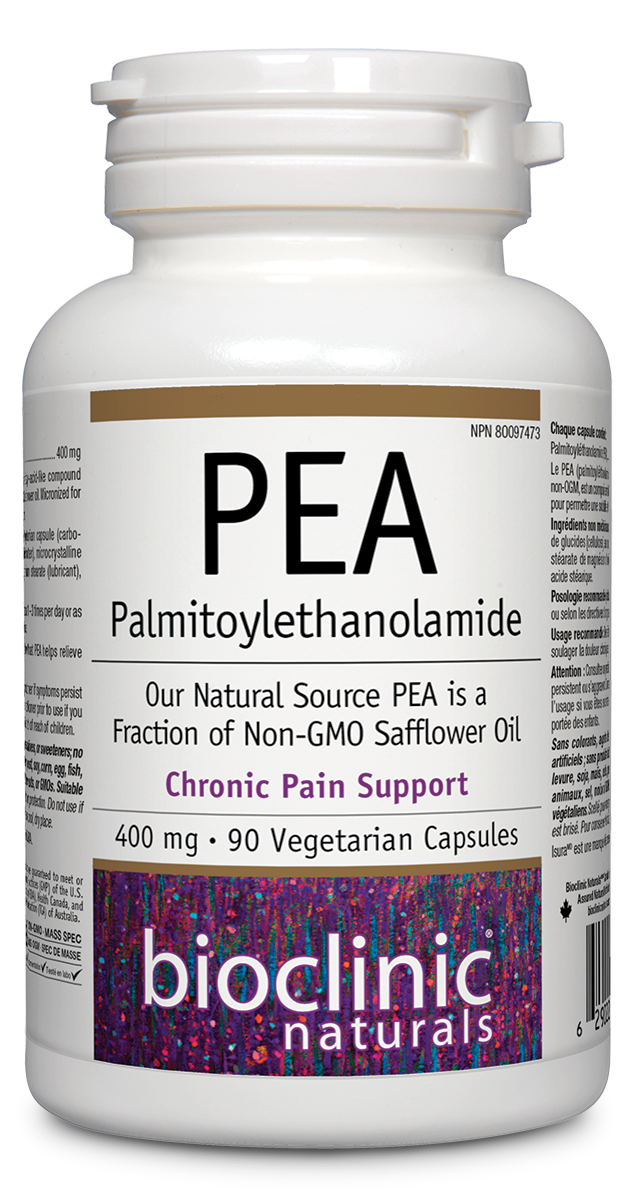
Bioclinic Naturals PEA (Palmitoylethanolamide) 90 Veg Capsules
Bioclinic Naturals PEA (Palmitoylethanolamide) 90 Veg Capsules
Couldn't load pickup availability
PEA Supplement | Palmitoylethanolamide | Nerve Pain Relief | Anti-Inflammatory Support | Chronic Pain Relief | Natural Pain Management
PEA Supplement for Nerve Pain, Inflammation & Chronic Pain Relief
PEA (Palmitoylethanolamide) by Bioclinic Naturals is a clinically researched supplement designed to support the body’s natural response to pain and inflammation. This advanced formula helps reduce discomfort associated with nerve pain, chronic inflammation, and musculoskeletal conditions—without the side effects commonly linked to traditional pain medications.
Palmitoylethanolamide (PEA) is a naturally occurring fatty acid amide produced by the body as part of its protective response to injury and inflammation. It plays a key role in regulating mast cells and modulating the endocannabinoid system, which is involved in pain perception and immune response.
Unlike conventional pain relievers, PEA works at a cellular level, helping to calm overactive inflammatory responses and support long-term pain management. This makes Bioclinic Naturals PEA an excellent option for individuals looking for a non-addictive, non-pharmaceutical approach to managing chronic pain.
Why Choose Bioclinic Naturals PEA?
Chronic pain conditions such as neuropathy, sciatica, arthritis, and fibromyalgia can significantly affect quality of life. Bioclinic Naturals PEA offers a science-backed solution by targeting inflammation and nerve sensitivity at the root.
This supplement is ideal for:
- Individuals with nerve pain or neuropathy
- People experiencing chronic inflammation
- Those with joint or musculoskeletal discomfort
- Individuals seeking natural pain relief alternatives
How Bioclinic Naturals PEA Works?
PEA (Palmitoylethanolamide) supports the body’s endocannabinoid system by enhancing natural pain-regulating pathways. It works by:
- Reducing activation of mast cells, which trigger inflammation
- Supporting neuroprotection and nerve health
- Modulating pain signals in the nervous system
This multi-targeted mechanism helps reduce both acute and chronic pain, while also supporting tissue recovery and immune balance.
For more information on inflammation and pain pathways, refer to trusted sources:
Share
Collapsible row
Collapsible row