
Herbal remedies for stress and anxiety: Natural ways to find calm

In today's fast-paced world, stress and anxiety are common concerns for many people. Work pressure, relationships, and day-to-day tasks can affect mental well-being. While over-the-counter and prescription options exist for anxiety, many people also look into herbal ingredients as part of a broader approach to relaxation. Herbal remedies have a long history of traditional use for emotional wellness.
In this blog, we look at a few commonly used calming herbs and what's generally said about them — this is general information, not medical advice.
1. Ashwagandha- An Adaptogen

Ashwagandha is a traditional herb used in Ayurvedic practice and is classified as an adaptogen, a category of herbal ingredients associated with the body's response to stress. Some research has looked at its relationship to cortisol levels, though individual results vary.
Available in capsule, tea, or powder form. Always follow label directions.
2. Chamomile- A Gentle Herb

Chamomile is one of the most commonly used herbal teas associated with relaxation and sleep. It's typically consumed as a tea in the evening.
Usage: Many people have a cup in the evening or when feeling stressed.
3. L-Theanine
L-Theanine is an amino acid found in green tea. It's associated with relaxation without drowsiness, and is often studied in connection with GABA, serotonin, and dopamine activity.
Usage: Available as green tea or as a standalone supplement.
4. Lavender- Aromatherapy

Lavender's scent is widely used in aromatherapy and is a popular choice for relaxation routines, whether through diffusers, bath products, or tea.
Usage: Diffuse lavender essential oil, add a few drops to a bath, or have a cup of lavender tea in the evening.
5. Valerian Root
Valerian root has a long history of traditional use for sleep support. It's associated with GABA activity in the brain, though individual response varies.
Usage: Available in capsules, tinctures, and teas, typically used in the evening. Speak with a pharmacist before combining with other sleep aids or medications.
6. Passionflower
Passionflower has a history of traditional use for restlessness. Like valerian, it's associated with GABA activity, and research on its effects is ongoing.
Usage: Available as tea or supplement.
7. Rhodiola Rosea

Rhodiola is another adaptogenic herb associated with the body's response to fatigue and stress, and is sometimes studied in relation to mood and stress-related hormones.
Usage: Available in capsule or powder form, often taken in the morning.
Building Habits Around Herbal Remedies
Herbal ingredients are generally considered as part of a broader lifestyle approach, not a standalone solution. A few complementary habits:
Practice Mindfulness: Meditation, deep breathing and yoga are often used alongside herbal routines
Eat a Balanced Diet: Nutrient-rich food supports overall well-being.
Sleep well: Prioritize sleep to support recovery.
Stay Active: Regular exercise is associated with improved mood.
Herbal ingredients are a traditional, widely used option for those looking to build a relaxation routine. If you experience ongoing or severe anxiety, speak with a healthcare provider — herbal supplements are not a substitute for professional care, and can interact with medications.
At Healthy Hub, we carry a range of herbal supplements. Browse our selection below.
Shop related products: see our full Stress Management collection and Sleep Support collection.
Products mentioned in this guide: Bioclinic Naturals Ashwagandha 600 mg, NFH Ashwagandha SAP and NFH L-Theanine SAP. If stress is affecting your sleep, read our melatonin dosage guide.
You might also like
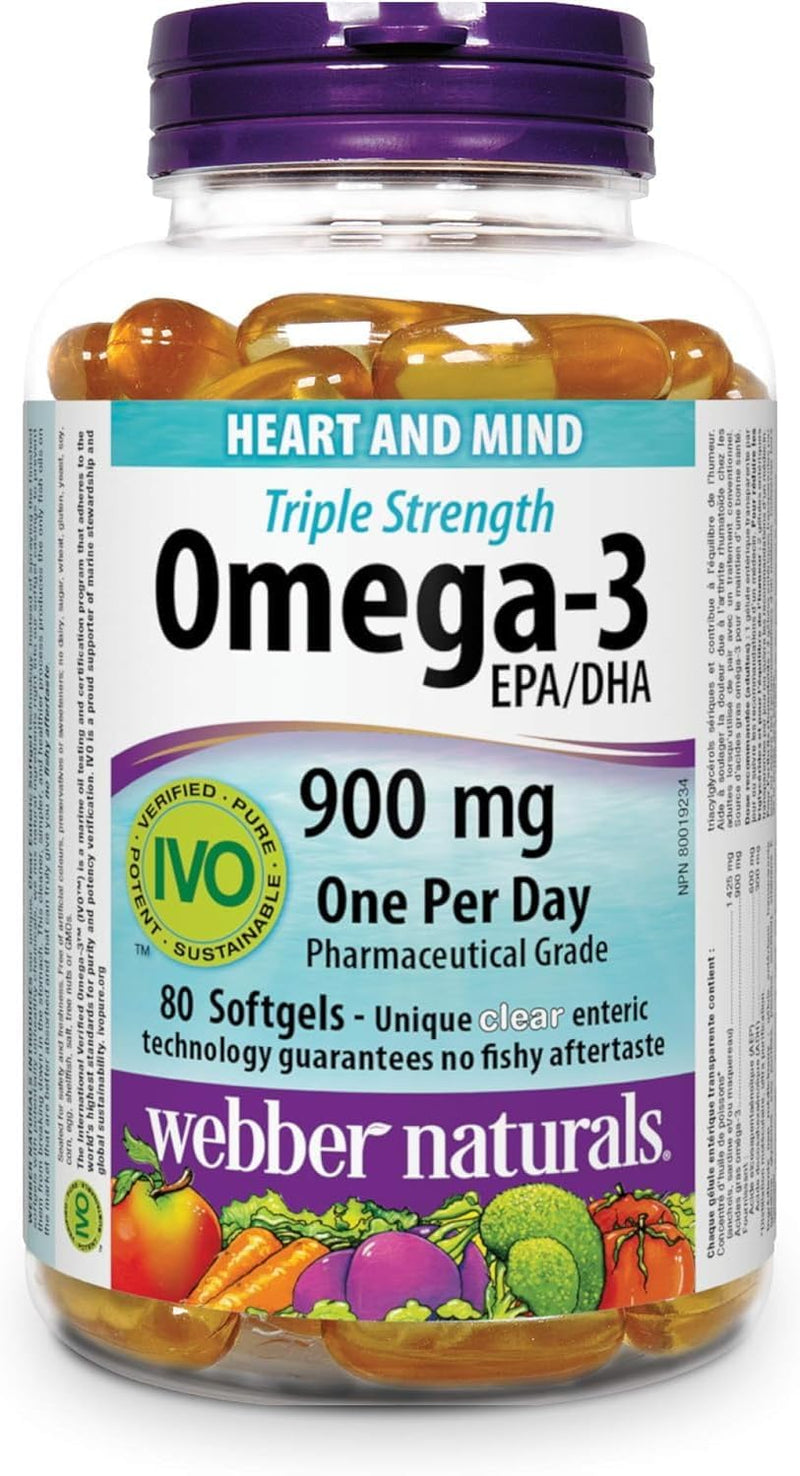
Omega-3 Dosage Guide: EPA vs DHA and How Much You Need
A bottle that says 1,000 mg fish oil may give you far less omega-3 than you think. Learn...
Read article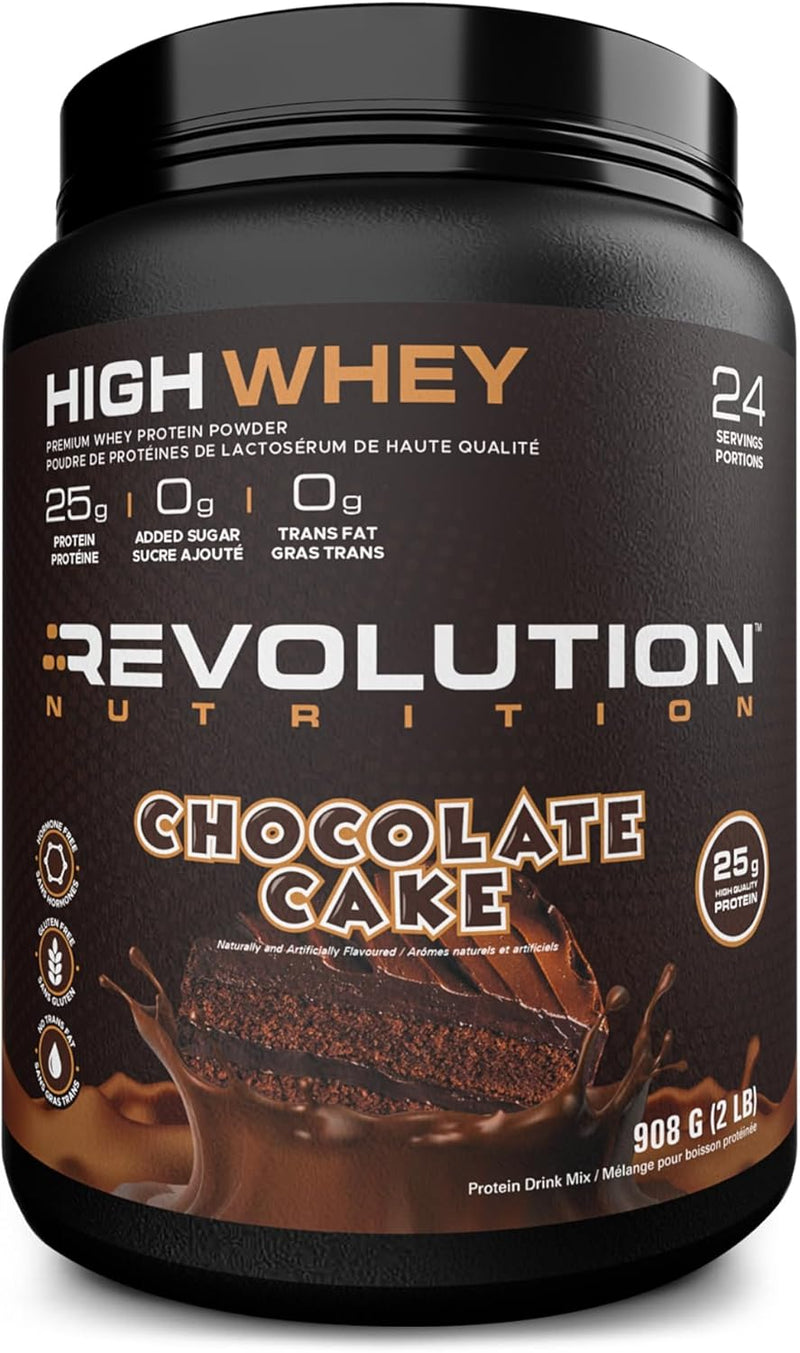
Protein Powder 101: Whey vs Plant (and How to Choose)
Whey or plant? Isolate or concentrate? Learn how much protein you actually need, how whey and plant proteins...
Read articleEchinacea for Colds: Does It Actually Work?
Echinacea is one of Canada's most popular cold remedies, but the research is mixed. Here's what the evidence...
Read article